
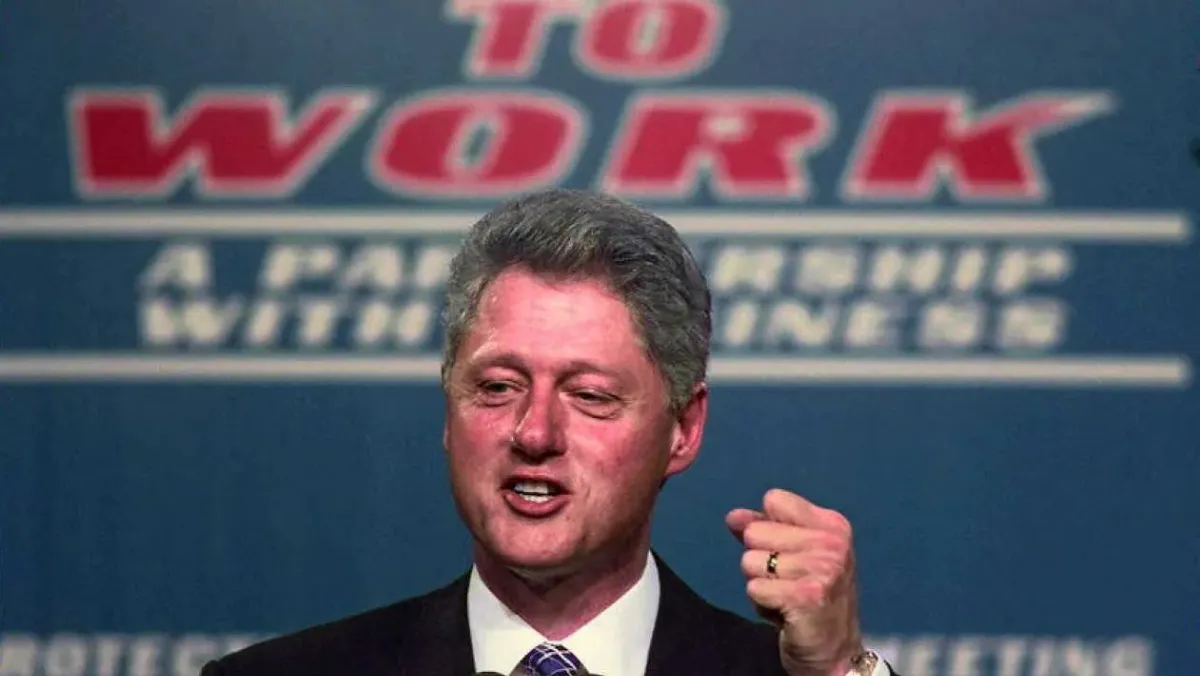
Thirty years ago, on Aug. 22, a new era of welfare reform began when President Bill Clinton signed the Personal Responsibility and Work Opportunity Reconciliation Act. The legislation, also known as the Welfare Reform Act, was a bipartisan success, a sign of an emerging consensus that giving money away with no strings attached was destructive. The resulting overhaul of the dependency-oriented welfare system, which had grown out of President Lyndon B. Johnson’s Great Society, was an enormous shift in the nation’s anti-poverty policy.
The road to the reform started in 1966, when Ronald Reagan, then running to be governor of California, advocated prioritizing work in welfare policy. Once in office, he couldn’t find a sitting governor of either party who would join him. It wasn’t until he won the presidency several years later that he made more significant headway. Reagan’s administration, among other things, amended Social Security contribution requirements and instituted work mandates for some welfare beneficiaries. As the president put it: “The best social program is a job.”

- How to Win 2026: Newt Gingrich’s Five-Part Series for a Historic Republican Midterm VictoryFive episodes. One strategy for building an American majority.
- The Space Academy and Freedom in SpaceThere were two fascinating developments this week in the American effort to carry freedom into space.
- Hakeem Jeffries Declares War on the Trump AdministrationA Democratic victory in November will lead to a painful, conflict-ridden final two years of the Trump presidency.
- America Can’t Afford Another Failure of ImaginationFrom artificial intelligence and drone swarms to cyberattacks, biological threats, and vulnerabilities in America’s food and water systems, national security looks very different 25 years after 9/11.
- America’s New Know NothingsToday’s big-government socialists have the same disconnect with reality as a political movement that roiled 19th-century American politics.