

Newt talks with Gerard Robinson, a professor of practice at the Batten School of Leadership and Public Policy at the University of Virginia, about his recent article on how World War II influenced prison policy.
Newt talks with Gerard Robinson, a professor of practice at the Batten School of Leadership and Public Policy at the University of Virginia, about his recent article on how World War II influenced prison policy. Their conversation explores Robinson’s experiences mentoring youth in the juvenile justice system and teaching fifth grade, which shaped his views on criminal justice reform. They discuss the impact of high suspension rates on future incarceration, the importance of education in reducing recidivism, and innovative programs like Texas’s Prison Entrepreneurship Program. Robinson shares insights from international prison visits, highlighting Norway’s principle of normality and its potential application in the U.S. Their discussion also covers historical treatment of prisoners of war in the U.S. compared to Japanese Americans during WWII, and the implications of the 1871 Virginia Supreme Court ruling on prisoners as “slaves of the state.” Robinson’s work and publications are available through the University of Virginia and the American Enterprise Institute.
Follow and listen to more of Newt’s World:


Guest:
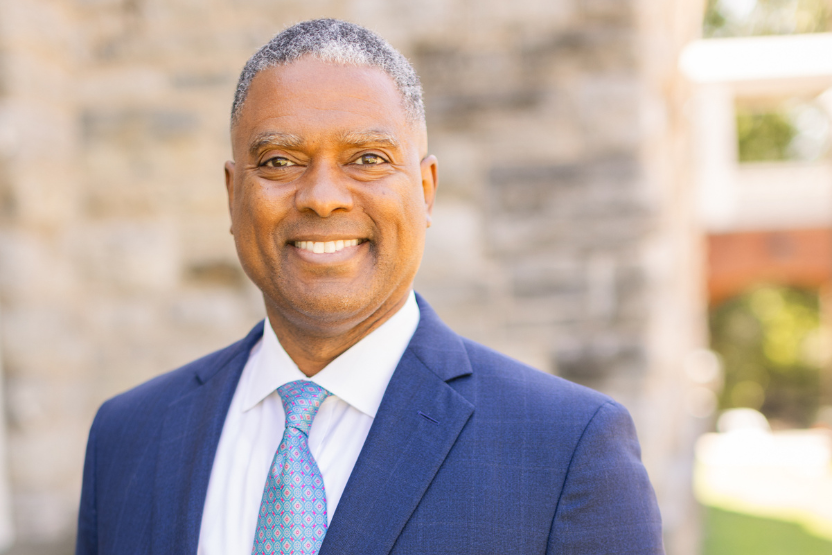
Gerard Robinson
- How to Win 2026: Newt Gingrich’s Five-Part Series for a Historic Republican Midterm VictoryFive episodes. One strategy for building an American majority.
- The Space Academy and Freedom in SpaceThere were two fascinating developments this week in the American effort to carry freedom into space.
- Hakeem Jeffries Declares War on the Trump AdministrationA Democratic victory in November will lead to a painful, conflict-ridden final two years of the Trump presidency.
- America Can’t Afford Another Failure of ImaginationFrom artificial intelligence and drone swarms to cyberattacks, biological threats, and vulnerabilities in America’s food and water systems, national security looks very different 25 years after 9/11.
- America’s New Know NothingsToday’s big-government socialists have the same disconnect with reality as a political movement that roiled 19th-century American politics.